
LAWCĀT
LEARN LEGALEASE
Independent R&D , Product Strategy, Legal Tech • AI, UX/UI, Fullstack Development
Lawcāt, a play on the word “locate”, explores an adaptive approach to legal learning, combining bite-sized education, AI, active practice & wellbeing in one evolving learning environment.
I designed & developed the first working prototype in less than 10 days as my software engineering capstone, immediately after placing third in a 24-hour AI-Google Hackathon challenge.
<10 DAYS
concept → working prototype
AI-INTEGRATED
ChatGPT-API embedded into legal learning
END-TO-END
Strategy → Design → Development
The ChallengeLegal learning rarely starts where the learner is
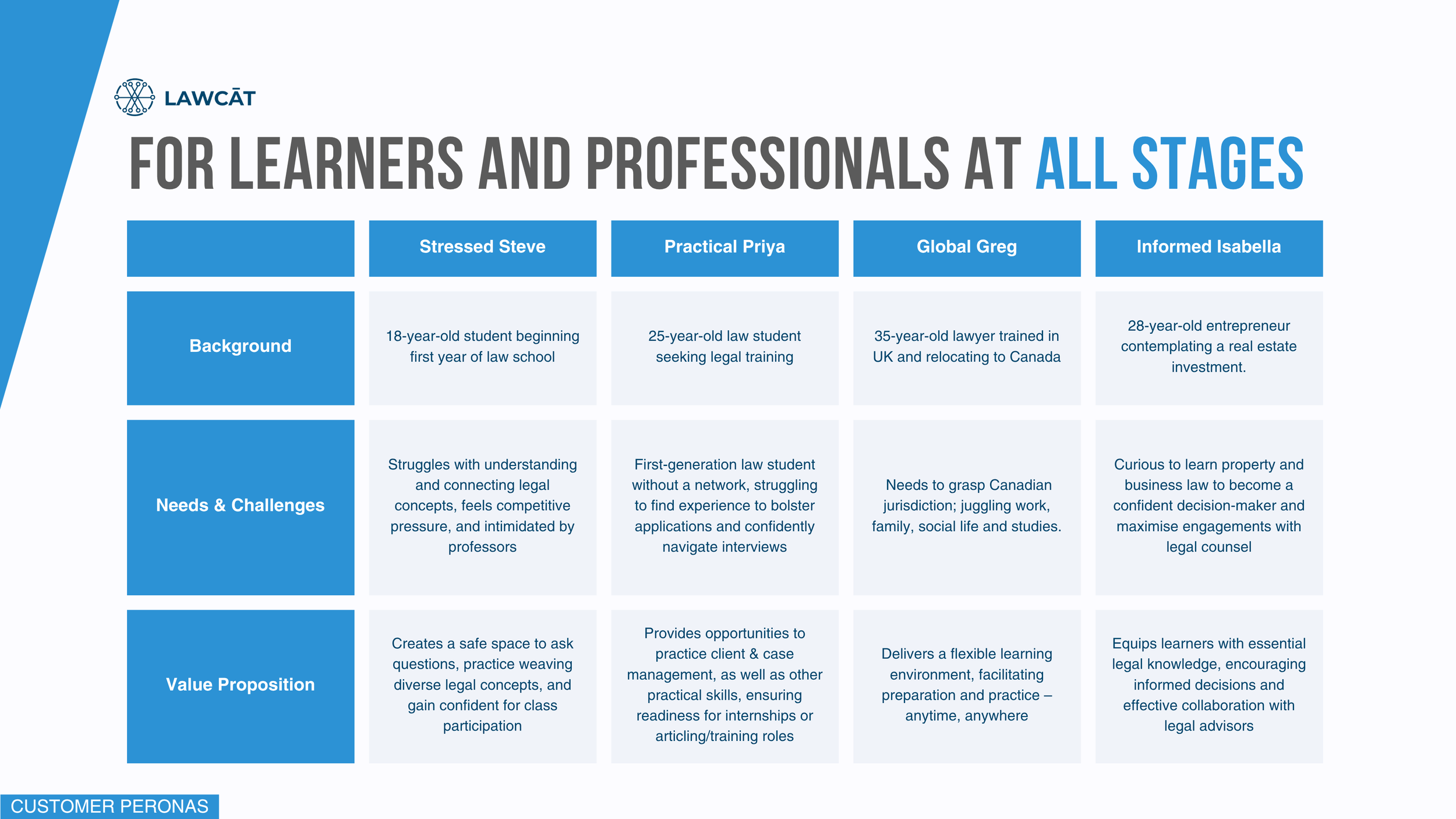
A first-year student, an internationally trained lawyer entering a new jurisdiction and someone encountering law for the first-time bring radically different knowledge & needs.
My own experience studying & training in law in the UK before navigating Canadian accreditation exposed this gap.
Lawcāt asks: what if legal education adapted to the learner instead?
The concept was designed to support people across stages - from legal literacy to law school, professional practice & cross-jurisdiction qualification.
The ApproachBuild around the learner, not the curriculum
(1) Start with what they know
Rather than beginning everyone at the same point, Lawcāt was conceived to adapt content, difficulty & learning pathways according to existing knowledge, jurisdiction & goals.
(2) Use AI with purpose
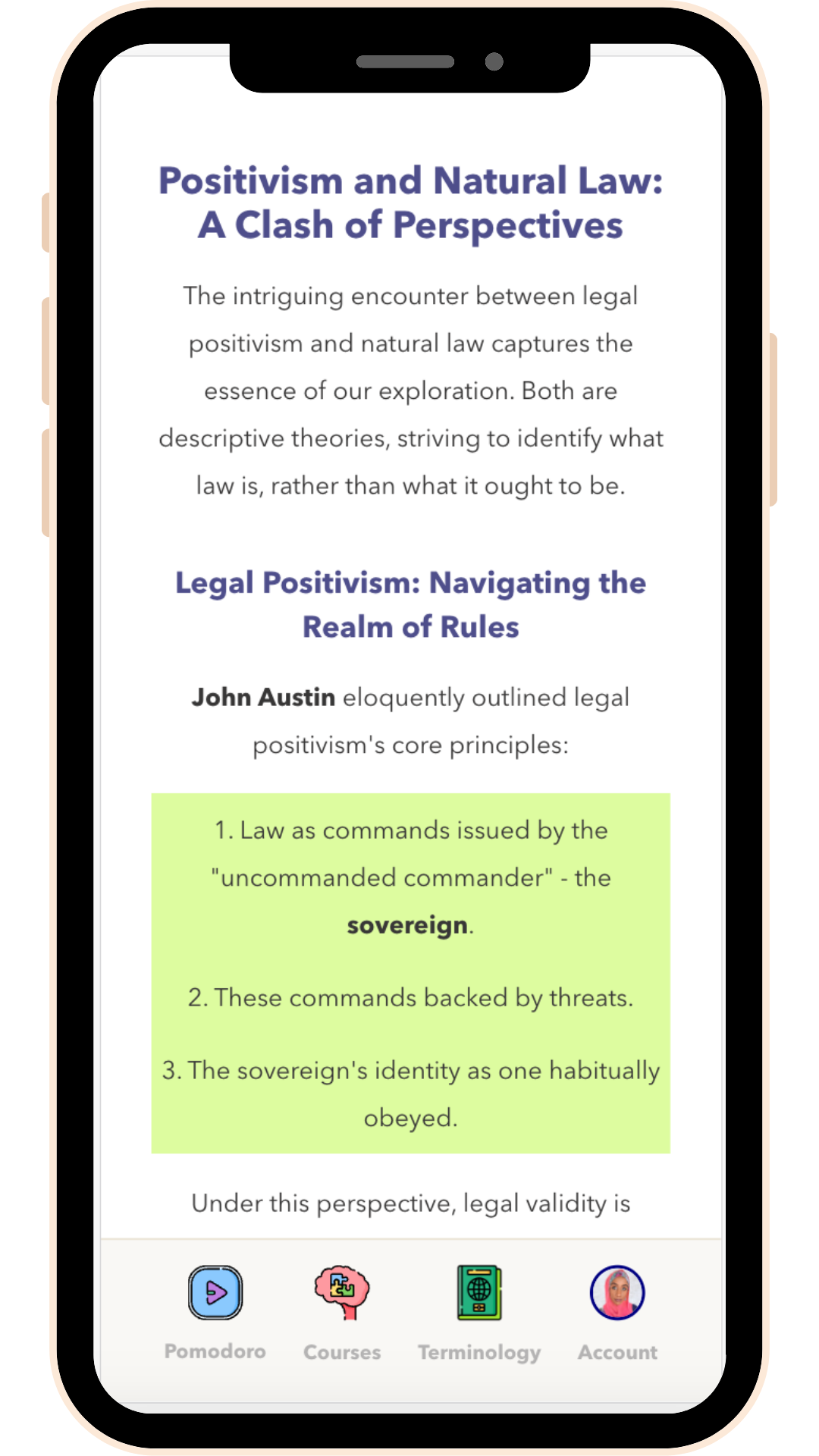
ChatGPT was integrated directly into the prototype to translate complex legal terminology into accessible definitions that learners could save for later.
The wider vision explored adaptive questioning, feedback & practical simulations, with AI supporting learning rather than replacing human judgment.
(3) Turn learning into practice
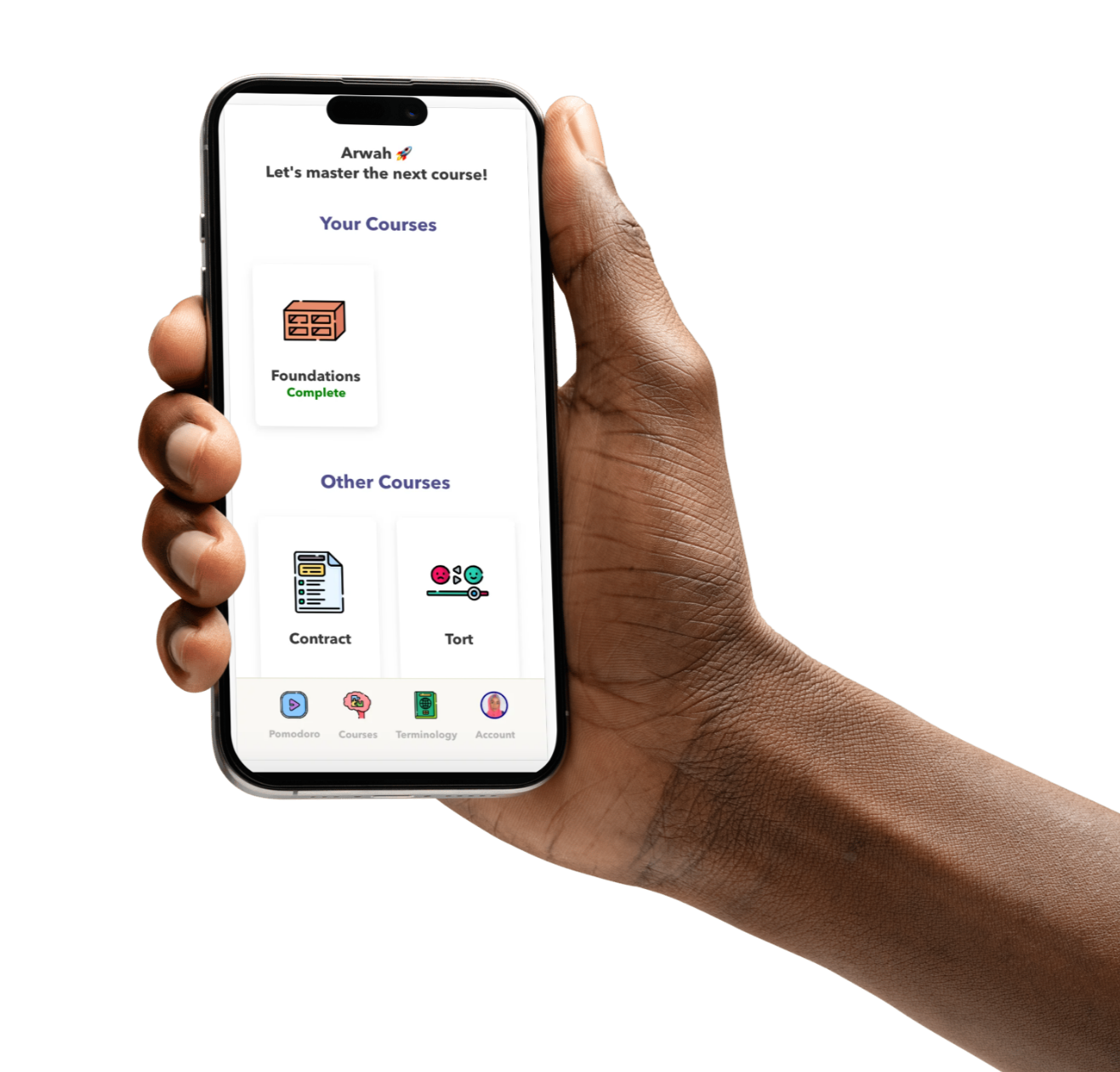
The prototype combined concise course material with saved terminology, quizzes & progress tools.
The broader concept extended this into gamified exercises for skills such as interviewing, critical thinking, drafting & advocacy.
(4) Design for sustainable learning
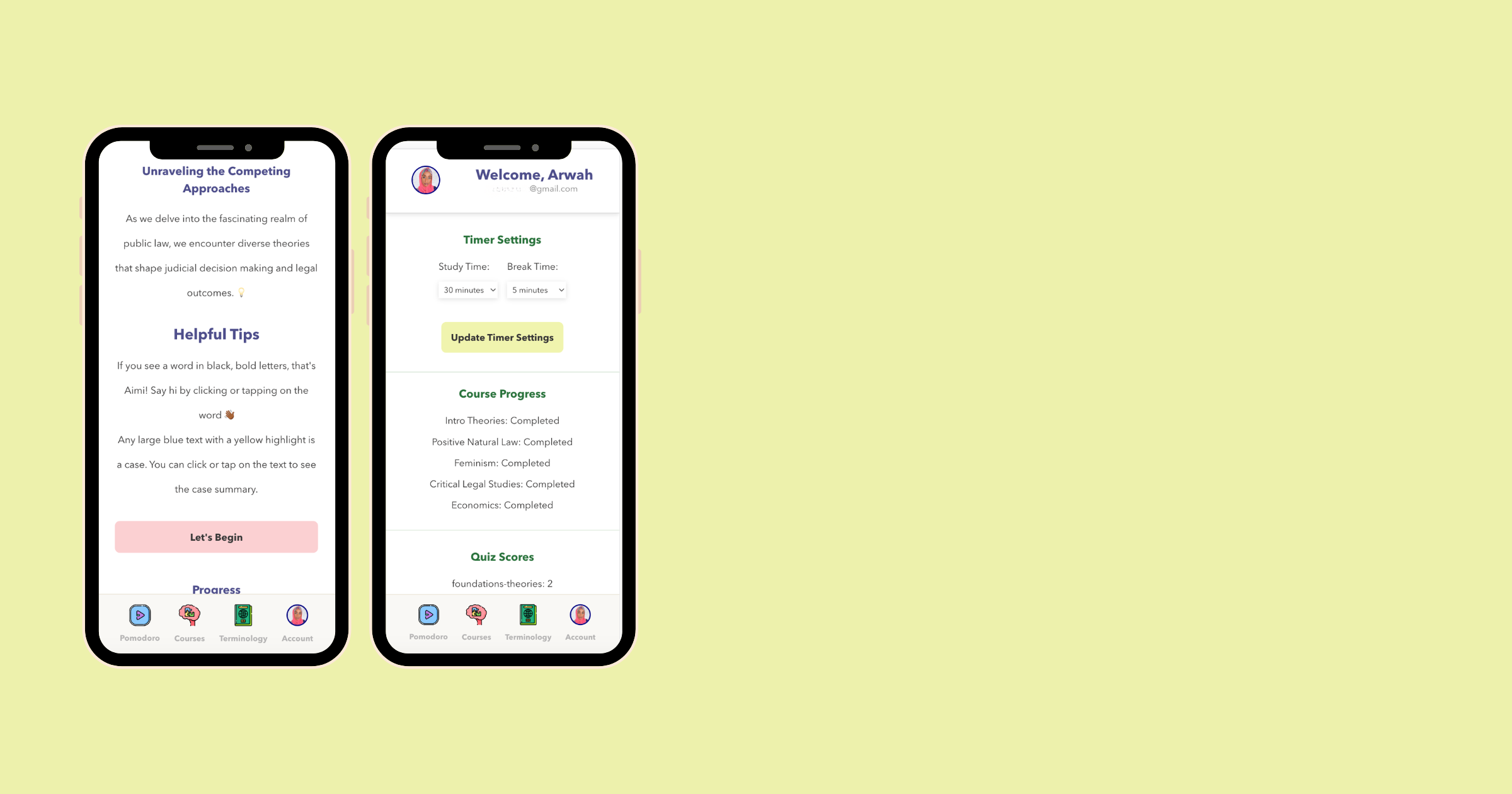
An integrated Pomodoro timer introduced focus periods, breaks & notifications directly into the learning experience.
Wellbeing shouldn’t sit outside the learning system.
The PrototypeBuilt from concept to working product in less than 10 days
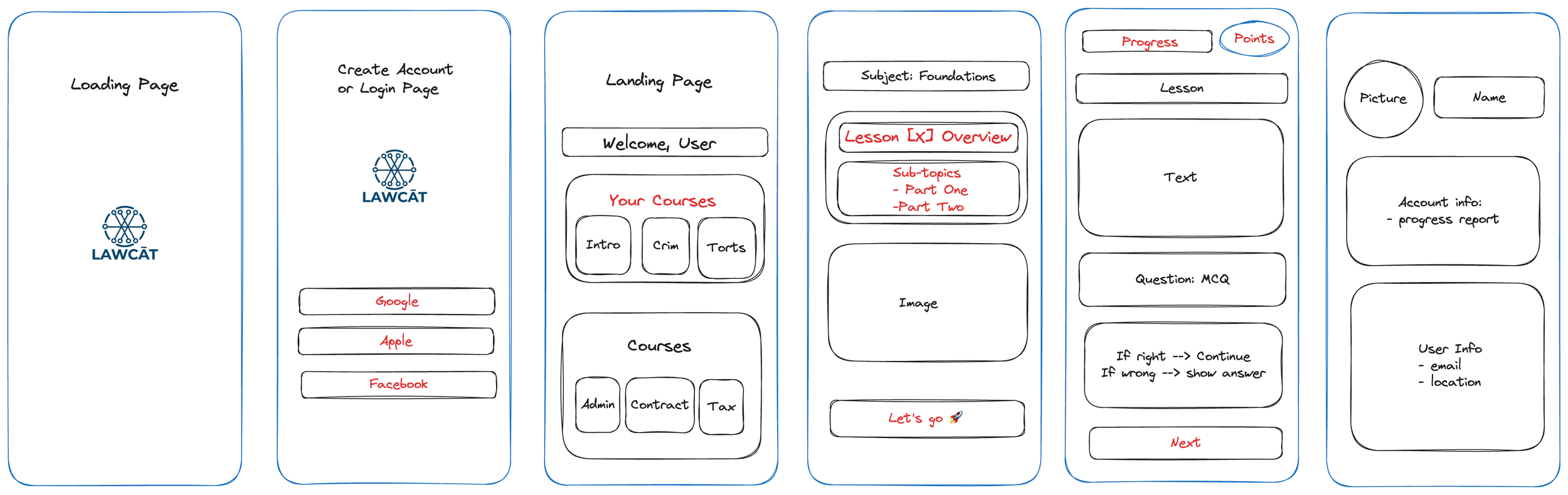
The V1 prototype included:
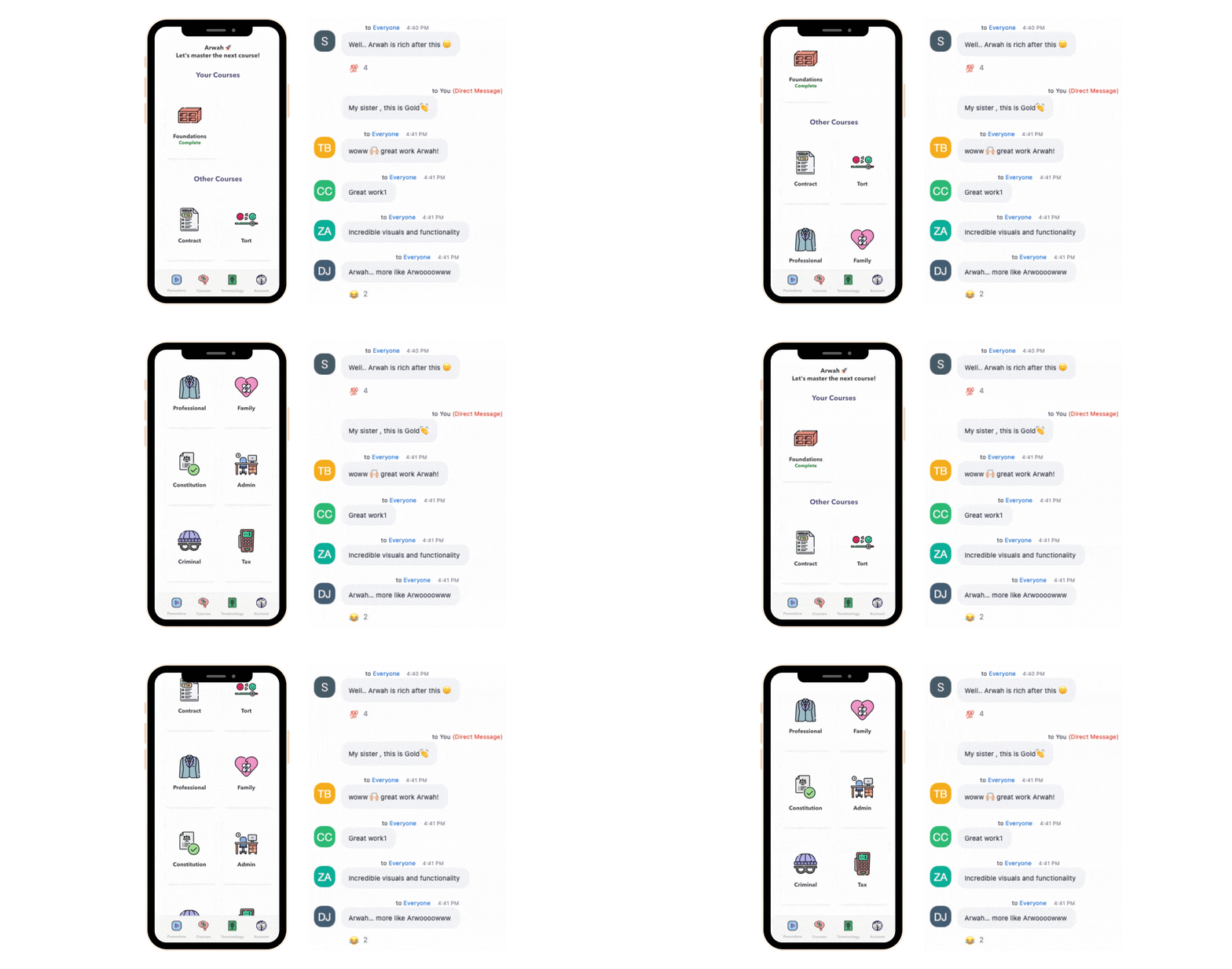
Bite-Sized legal learning: sample NCA course material structured for focused study
AI terminology: ChatGPT-generated explanations of complex legal concepts
Saved knowledge: definitions persisted for future reference
Knowledge testing: dynamic quizzes reinforced comprehension
Focus tools: a configurable Pomodoro timer with pause functionality & notifications
Learner accounts: Google authentication, account settings & progress information
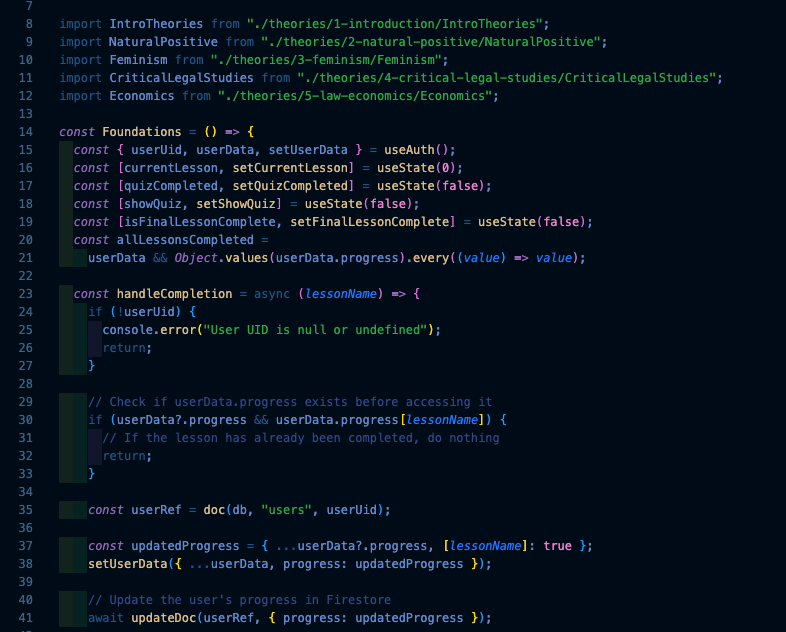
I built the application in React, using Firebase authentication and Firestore - a non-relational database I taught myself for the project after training primarily in SQL.

The VisionFrom legal literacy to lifelong legal learning
Lawcāt was never intended to stop at exam preparation.
The larger vision was for one learning environment to evolve alongside its user:
LAYPERSON → STUDENT → PROFESSIONAL → NEW JURISDICTION → CONTINUOUS DEVELOPMENT
A learner moving from the UK to Canada, for example, wouldn’t need to start again. Lawcāt could identify what they already understand, surface jurisdictional differences & focus learning where it matters.
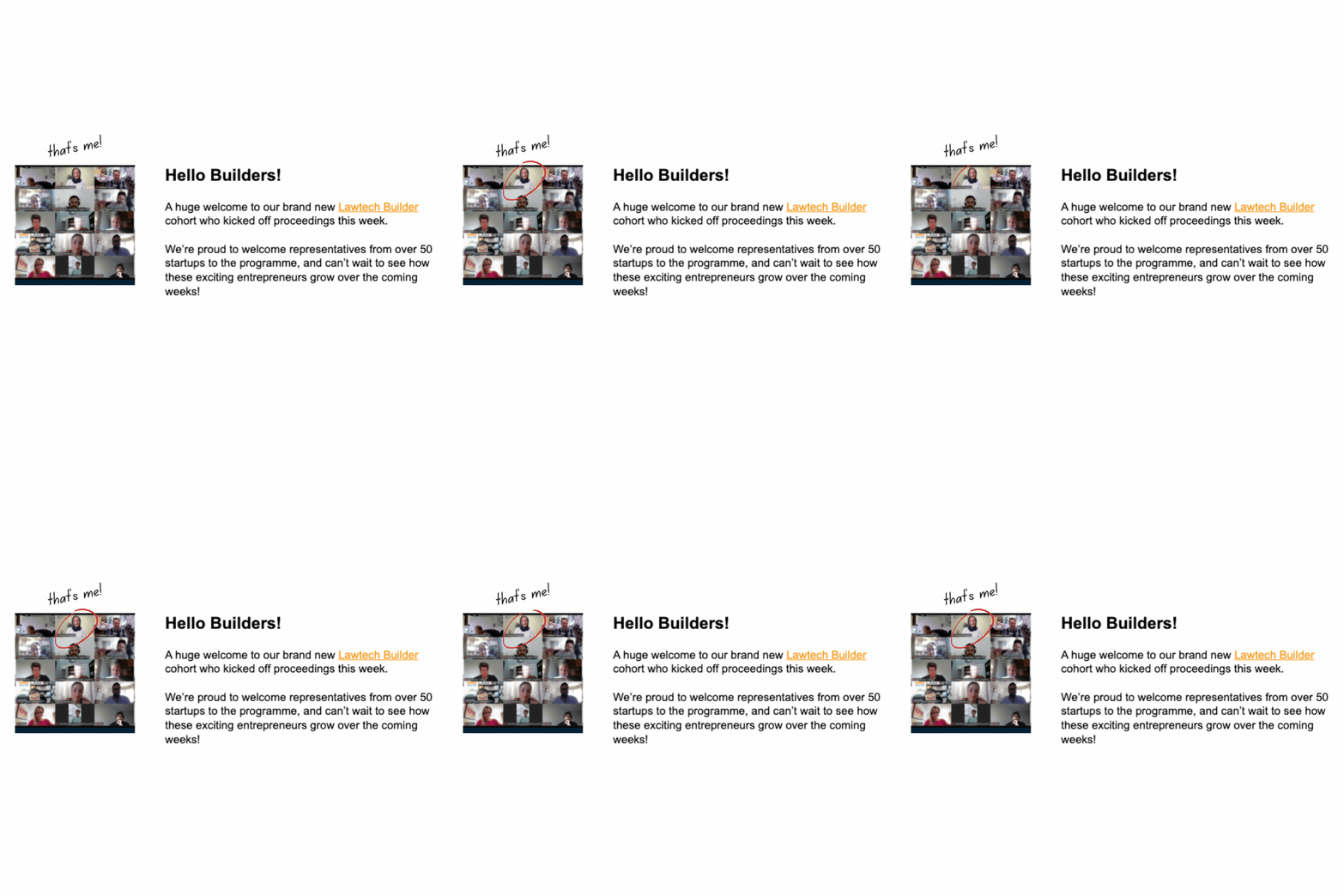
The prototype opened doors beyond the bootcamp. I pitched Lawcāt to leaders in legal education and innovation, including the CEO of Queen Mary University of London’s Innovation Centre, the Director of its Legal Advice Centre & a former Chief Scientific Officer at Barclays, before developing the concept further through the LawtechUK Builder Programme.
Lawcāt’s underlying questions later informed
“Reimagining Legal Education”
published by Law360 Canada (LexisNexis)
exploring how AI, wellbeing & human-centred design could reshape the way legal professionals learn.
Read the article
Download the PDF
Why This MattersTechnology is most useful when it understands the person using it. Learning systems can meet people where they are & grow alongside them.

SCOPE OF WORK
PRODUCT
Product Strategy
User Research
Learner Personas
Product Roadmapping
LEGAL LEARNING
Curriculum Strategy
Legal Design
NCA Content
Jurisdiction Learning
ENGINEERING & AI
React
Firebase
Firestore
ChatGPT API
EXPERIENCE
UX/UI Design
Gamification
Adaptive Learning
Wellbeing Tools